
How to Maintain a Folding Attic Ladder for Long-Term Safety and Performance
How to Maintain a Folding Attic Ladder for Long-Term Safety and Performance
Details
Proper maintenance of a folding attic ladder is essential for ensuring long-term safety, structural stability, and smooth operation. Whether the ladder is installed in a residential home, warehouse, or commercial building, regular inspection helps prevent mechanical failure and extends service life.
Unlike ordinary household equipment, attic ladders are load-bearing access systems. They are used under dynamic stress conditions, which means small structural issues can gradually become safety risks if ignored.
1. Why Maintenance Matters for Attic Ladders
Attic ladders are frequently exposed to:
- Repeated folding and unfolding cycles
- Variable load conditions
- Environmental humidity changes
- Dust accumulation in hinges and joints
Without proper maintenance, common problems may include:
- Loose hinge connections
- Increased friction during folding
- Uneven step alignment
- Reduced structural stability
Regular maintenance ensures consistent performance and safe operation.
2. Recommended Inspection Frequency
For most installations, we recommend:
- Light residential use: every 6–12 months
- Frequent use (storage access): every 3–6 months
- Commercial or warehouse use: every 1–3 months
High-frequency usage environments require more frequent inspection of joints and load-bearing points.
3. Key Maintenance Points
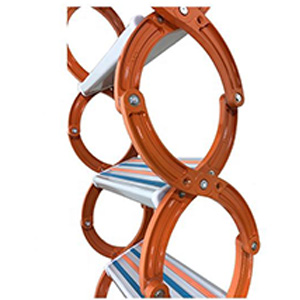
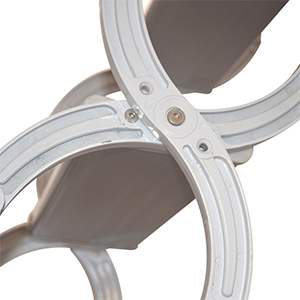
3.1 Hinge and Folding Mechanism
The folding system is the most critical moving part.
Check for:
- Smooth opening and closing
- No abnormal noise
- No visible wear on hinge joints
Apply light lubrication if movement becomes stiff.
3.2 Frame Connection Points
Inspect all fixed installation points:
- Ceiling or wall mounting bolts
- Frame support brackets
- Load-bearing joints
Loose fasteners should be tightened immediately to prevent structural instability.
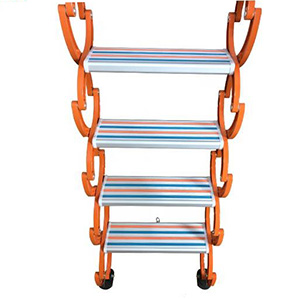
3.3 Step Structure Condition
Steps carry direct user load.
Check for:
- Surface deformation
- Cracks or bending
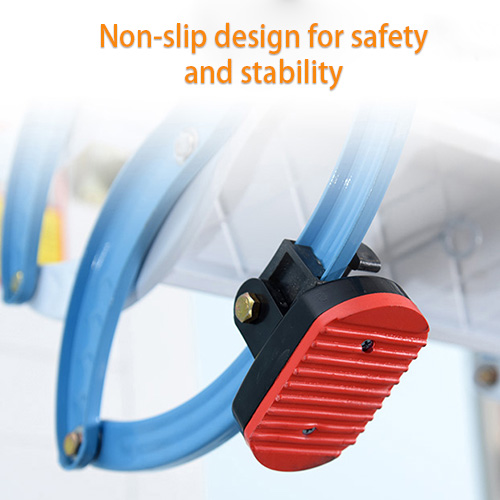
- Anti-slip surface wear
For heavy-duty ladders, reinforced steps (such as 28mm–33mm thickness) provide longer durability.
3.4 Handrail Stability
Ensure the handrail remains firm and stable.
A properly installed handrail should not shake under load.
Upgraded designs such as 40mm S-shaped handrails provide better long-term grip stability.
4. Environmental Factors Affecting Lifespan
Different environments impact ladder performance:
- Humid areas may accelerate metal surface wear
- Outdoor installations require corrosion-resistant coating
- Dusty environments increase hinge friction
Aluminum alloy ladders generally perform better in humid or outdoor conditions due to corrosion resistance.
5. Material-Specific Maintenance Advice
Steel Attic Ladders
- Check surface coating regularly
- Prevent rust in humid environments
- Ensure bolts remain tight due to heavier structure
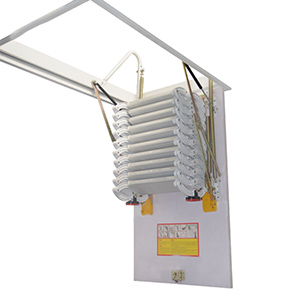
Aluminum Alloy Attic Ladders
- Inspect joint tightness
- Clean surface dust periodically
- Ensure no impact deformation on steps
6. Signs Your Attic Ladder Needs Replacement
Replace or upgrade the system if you notice:
- Permanent step deformation
- Structural frame bending
- Excessive hinge wear
- Unstable climbing feeling
- Load capacity reduction symptoms
Conclusion
Regular maintenance significantly improves attic ladder safety and extends product lifespan. A properly maintained ladder not only ensures safe access but also reduces long-term replacement costs.
For heavy-duty applications, selecting reinforced structures and higher load capacity systems can further reduce maintenance frequency and improve operational stability.
We offer customizable warranty options for our attic ladders, ensuring that parts and components are covered against defects throughout the warranty period.
Contact us for detailed product information and the best pricing.