
How to Choose the Best Attic Ladder Material
How to Choose the Best Attic Ladder Material? A Complete Buyer’s Guide
Why Material Selection Matters More Than Price
When shopping for an attic ladder, many buyers compare prices first.
However, experienced contractors and homeowners know that the material of the ladder has a much greater impact on long-term performance than the initial purchase price.
The wrong material can lead to:
- Difficult daily operation
- Premature wear
- Reduced safety
- Higher replacement costs
Understanding the strengths and limitations of different materials helps buyers select an attic ladder that delivers the best value over time.
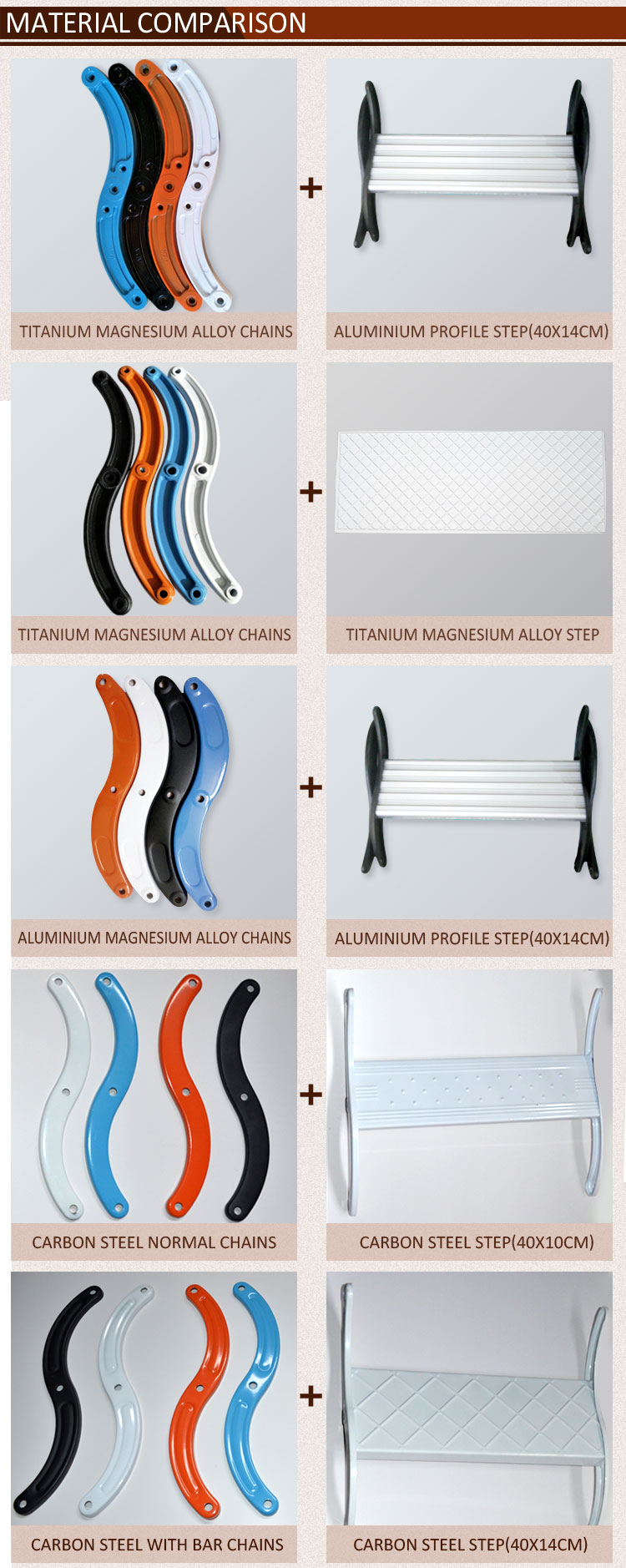
The Three Most Common Attic Ladder Materials
Modern attic ladders are generally manufactured using three types of materials:
- Steel
- Aviation Aluminum
- Aluminum Alloy
Each option serves a different purpose and budget.
Steel Attic Ladders: Affordable and Reliable
Steel remains one of the most widely used materials in attic ladder manufacturing.
Advantages
✔ Competitive price
✔ Strong structural frame
✔ Stable climbing experience
✔ Suitable for most residential projects
Steel ladders are often selected for homes where attic access is occasional rather than daily.
Considerations
Steel has a higher density than aluminum.
This means the ladder itself is heavier, requiring slightly more effort when opening or folding the system.
For many homeowners, this is not a major concern. However, users who access the attic frequently may prefer lighter alternatives.
Aviation Aluminum: Lightweight with Excellent Durability
Aviation-grade aluminum was originally developed for industries requiring both strength and weight reduction.
Today, this material is increasingly used in premium attic ladder systems.
Advantages
✔ Lightweight construction
✔ Smooth operation
✔ Excellent corrosion resistance
✔ Long service life
✔ Reduced maintenance requirements
Because of its lower weight, aviation aluminum ladders are easier to operate compared with traditional steel models.
Aluminum Alloy: High Strength with Low Weight
Many buyers assume heavier materials automatically provide greater load capacity.
In reality, modern aluminum alloys often achieve a higher strength-to-weight ratio than ordinary steel constructions.
For example:
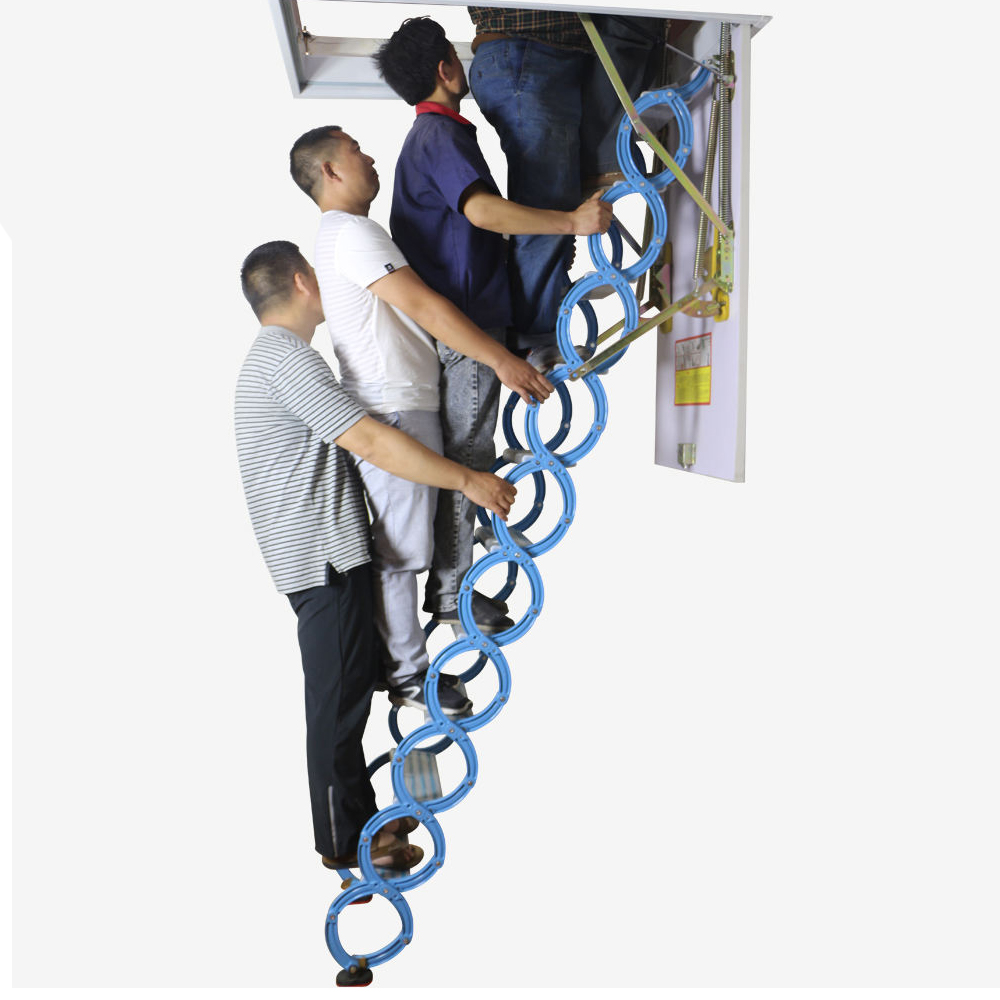
- Typical steel attic ladder load capacity: 350 kg
- Aluminum alloy attic ladder load capacity: 550 kg
This combination of lightweight operation and exceptional strength makes aluminum alloy one of the most desirable materials for high-performance attic ladders.
Why Load Capacity Should Not Be Ignored
One of the biggest mistakes buyers make is focusing only on the user's body weight.
The actual load on an attic ladder often includes:
- Storage boxes
- Holiday decorations
- Tools
- Building materials
- Household equipment
A higher load rating provides an additional safety margin and improves long-term durability.
For families that regularly use attic storage, choosing a ladder with greater load capacity can be a wise investment.
The Importance of Stair Tread Thickness
Most buyers pay attention to the ladder frame but overlook the stair treads.
This is where users place their full body weight every time they climb.
Many standard ladders use treads measuring:
- 20 mm
- 22 mm
While these dimensions may meet minimum requirements, thicker treads provide significant advantages.
Examples of upgraded specifications include:
- 28 mm steel ladder treads
- 33 mm aluminum alloy ladder treads
Benefits of Thicker Steps
Increased Stability
Thicker steps flex less during use and provide a more solid feeling underfoot.
Better Durability
Extra material improves resistance to bending and deformation.
Improved Safety
Users feel more secure when carrying items up or down the ladder.
Why Handrail Design Affects Safety
Handrails are often underestimated when comparing attic ladders.
Many ladders available online use narrow handrails measuring:
- 28 mm
- 30 mm
A wider handrail creates a more comfortable grip and better support during climbing.
For example, a 40 mm wide S-shaped handrail offers:
✔ Better hand comfort
✔ Easier grip control
✔ Increased climbing confidence
✔ Improved support for elderly users
✔ Enhanced overall safety
The ergonomic shape also follows the natural position of the hand during movement.
Which Material Should You Choose?
Choose Steel If
- Budget is your main concern
- Attic access is occasional
- Residential use is light to moderate
- You want reliable performance at a lower cost
Choose Aviation Aluminum If
- Easy operation is important
- Corrosion resistance is required
- You use the attic frequently
- You prefer lightweight equipment
Choose Aluminum Alloy If
- Maximum load capacity is required
- Daily use is expected
- Premium performance is desired
- Long-term investment is the priority
Common Mistakes Buyers Make
Before purchasing an attic ladder, avoid these common mistakes:
Choosing Based Only on Price
The cheapest ladder may not provide the lowest lifetime cost.
Ignoring Load Capacity
Future storage needs often increase over time.
Overlooking Tread Thickness
Thin steps may wear faster under repeated use.
Forgetting Handrail Design
A comfortable grip significantly improves safety.
Not Checking Certifications
Certified products generally provide more consistent quality standards.
What Certifications Should an Attic Ladder Have?
For international projects and professional buyers, certifications provide additional confidence.
Important certifications include:
- CE Certification
- ISO Certification
These certifications indicate that the manufacturing process follows recognized quality management and safety requirements.
Final Thoughts
There is no single “best” attic ladder material for every buyer.
The right choice depends on:
- Budget
- Frequency of use
- Load requirements
- Installation environment
- Long-term expectations
Steel offers excellent value.
Aviation aluminum provides lightweight convenience.
Aluminum alloy delivers the highest overall performance with superior load capacity and durability.
By understanding these differences before purchasing, homeowners and contractors can select an attic ladder that provides years of safe and reliable service while maximizing return on investment.