
How to Install a Manual Attic Ladder? Complete Step-by-Step Installation Guide
How to Install a Manual Attic Ladder? Complete Step-by-Step Installation Guide
Installing a manual attic ladder is one of the most effective ways to improve attic access while saving indoor space. Whether for residential homes, garages, warehouses, or renovation projects, a properly installed folding attic ladder provides safer and more convenient access to upper storage areas.
Many homeowners and contractors searching for a manual attic ladder are often concerned about:
- Installation difficulty
- Ceiling opening size
- Load capacity
- Safety during use
- Material selection
- Long-term durability
This guide explains how to install a manual attic ladder correctly while helping buyers understand how to choose the right attic access ladder for different applications.
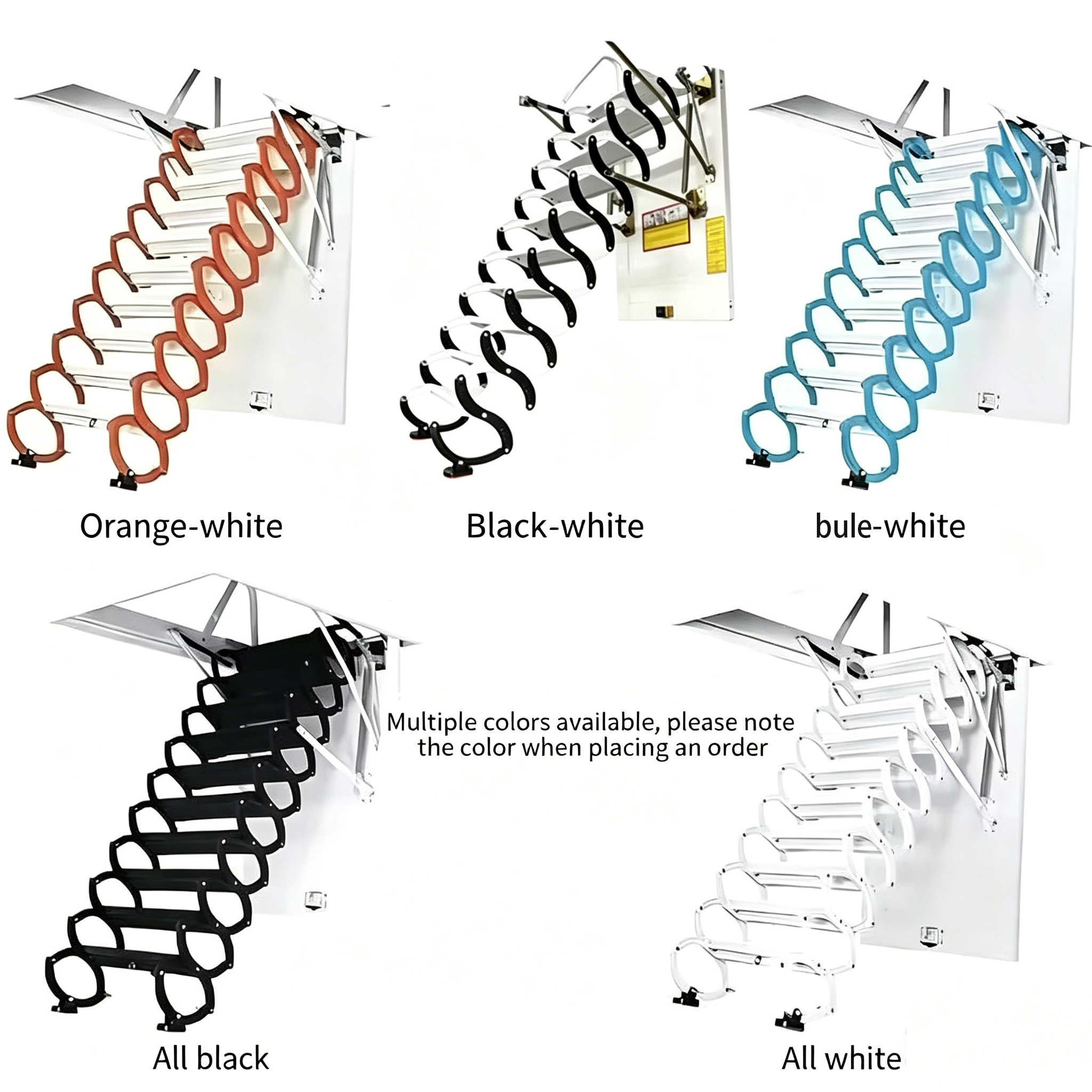
What Is a Manual Attic Ladder?
A manual attic ladder is a folding loft access system installed inside the ceiling opening. Unlike traditional portable ladders, folding attic ladders can be hidden inside the ceiling when not in use, helping save space and improve room appearance.
Modern attic ladders are commonly available in:
- Steel attic ladder
- Aviation aluminum attic ladder
- Aluminum alloy attic ladder
Each material offers different advantages depending on project requirements.
Why More Homeowners Choose Folding Attic Ladders
Compared with traditional ladders, folding attic ladders offer several advantages:
Space Saving Design
The ladder folds into the ceiling, keeping the room clean and organized.
Safer Daily Access
Fixed structural support improves climbing stability.
Better Load Capacity
Heavy duty attic ladders can support both users and carried storage items safely.
Convenient Operation
Modern manual attic ladders are designed for smooth folding and unfolding.
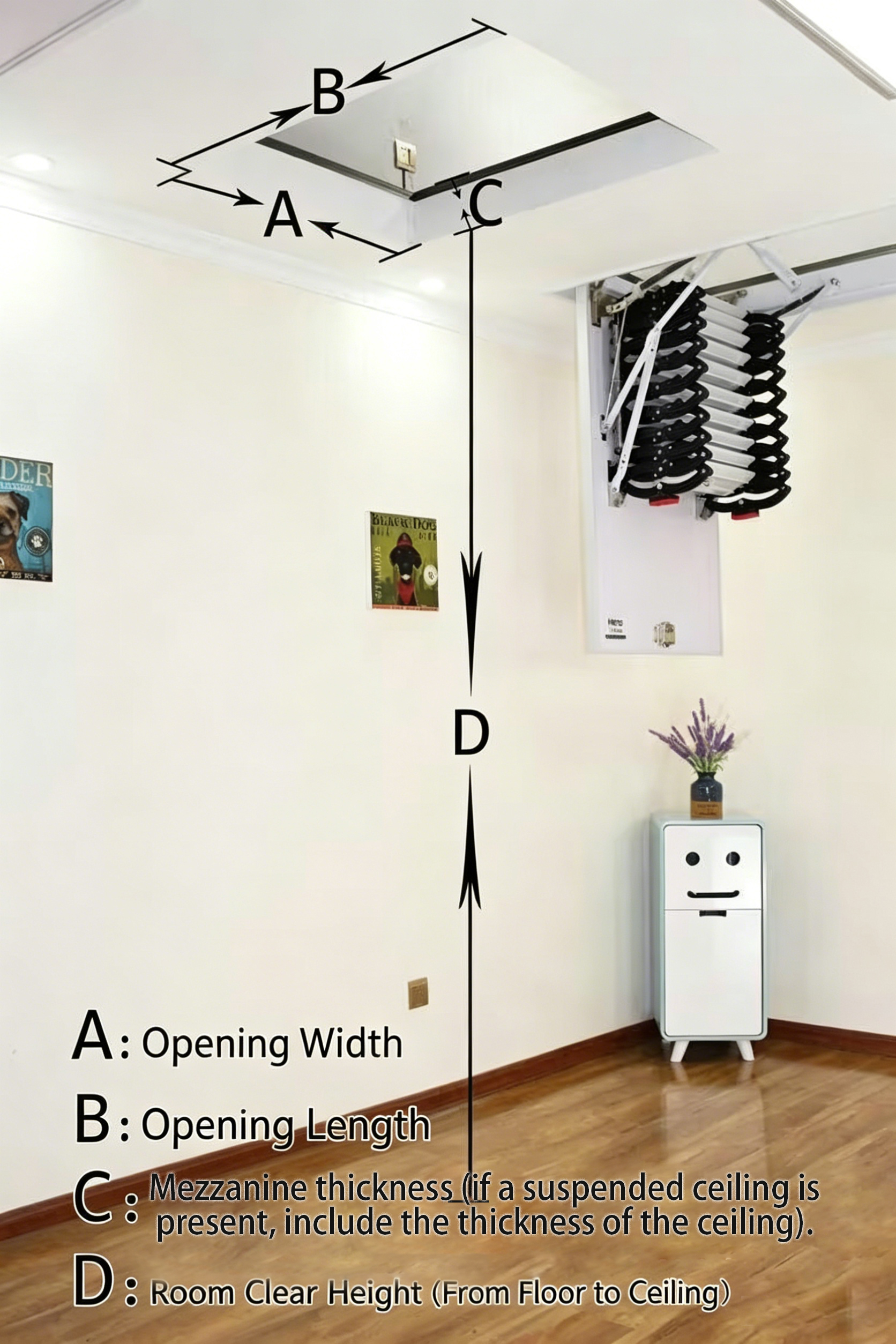
Step 1: Measure the Ceiling Opening Size
Before installation, accurate measurement is critical.
Important dimensions include:
- Ceiling opening length
- Ceiling opening width
- Floor-to-ceiling height
- Available attic space
Incorrect measurements may affect:
- Folding performance
- Installation safety
- Load stability
For custom attic ladder projects, manufacturers usually provide recommended opening dimensions.
Step 2: Prepare Installation Tools
Typical installation tools include:
- Electric drill
- Screwdriver
- Measuring tape
- Expansion bolts
- Level ruler
- Protective gloves
Professional installers may also use lifting supports during installation.
Step 3: Secure the Attic Ladder Frame
The ladder frame must be firmly fixed inside the ceiling structure.
Important installation considerations:
Ensure Balanced Positioning
The frame should remain level to ensure smooth opening and closing.
Reinforce Structural Support
The ceiling structure must support both ladder weight and user load capacity.
Check Fastening Stability
All bolts and screws should be fully tightened before operation testing.
Step 4: Adjust Ladder Length
After fixing the frame, adjust the ladder length according to floor height.
A properly adjusted folding attic ladder should:
- Rest evenly on the floor
- Open smoothly
- Maintain stable climbing angle
- Avoid excessive pressure on joints
Step 5: Test Folding Performance and Safety
Before daily use, complete several operation tests.
Check the following:
- Folding smoothness
- Step stability
- Handrail grip comfort
- Structural balance
- Noise or abnormal movement
A properly installed attic access ladder should operate smoothly without shaking.
How to Choose the Right Material for Installation Projects
Different installation environments require different materials.
Steel Attic Ladder
Best for:
- Budget-sensitive projects
- Residential homes
- Occasional attic access
Advantages:
- Cost-effective
- Stable structure
- Reliable daily use
Load capacity:
Up to 350kg
Aviation Aluminum Attic Ladder
Best for:
- Frequent operation
- Humid environments
- Modern homes
Advantages:
- Lightweight structure
- Corrosion resistance
- Easier opening and closing
Aluminum Alloy Attic Ladder
Best for:
- Commercial projects
- Heavy-duty usage
- Long-term investment
Advantages:
- High strength-to-weight ratio
- Smooth operation
- Heavy load support
Load capacity:
Up to 550kg
Why Step Thickness Matters During Installation
Many buyers focus only on frame material while ignoring stair tread thickness.
However, thicker steps improve:
- Climbing stability
- Long-term durability
- User confidence
- Structural resistance
Common market tread thickness:
- 20mm
- 22mm
Upgraded heavy duty designs:
- 28mm steel steps
- 33mm aluminum alloy steps
Thicker treads reduce deformation and improve overall ladder performance.
The Importance of Handrail Design
A comfortable handrail significantly improves climbing safety.
Standard market handrails are often:
- 28mm
- 30mm
Upgraded 40mm S-shaped handrails provide:
- Better grip comfort
- Safer climbing support
- Improved balance
- Easier operation for elderly users
This becomes especially important during attic installations involving frequent use.
Common Installation Mistakes to Avoid
Incorrect Opening Measurements
This may prevent proper ladder folding.
Weak Ceiling Support
Insufficient structural reinforcement affects safety.
Ignoring Load Capacity
Heavy storage use requires stronger ladder systems.
Choosing Based Only on Price
Low-cost ladders may reduce long-term durability.
Skipping Safety Testing
All attic ladders should be tested before regular use.
Are Manual Attic Ladders Suitable for Commercial Projects?
Yes.
Heavy duty folding attic ladders are widely used in:
- Warehouses
- Commercial buildings
- Hotels
- Apartments
- Maintenance access systems
Many commercial buyers prefer aluminum alloy attic ladders because of their higher load capacity and smoother operation.
What Certifications Should You Look For?
Professional attic ladder manufacturers usually provide:
- CE Certification
- ISO Certification
These certifications help ensure stable manufacturing quality and international export compliance.
Final Thoughts
Installing a manual attic ladder is not only about improving attic access. Choosing the correct material, structural design, and installation method directly affects safety, durability, and long-term user experience.
Whether selecting a steel attic ladder for economical residential use or an aluminum alloy attic ladder for heavy-duty projects, understanding installation requirements helps buyers make smarter purchasing decisions.
A properly installed folding attic ladder can provide years of reliable and space-saving performance for both residential and commercial applications.
Contact us for factory quotes on our products.