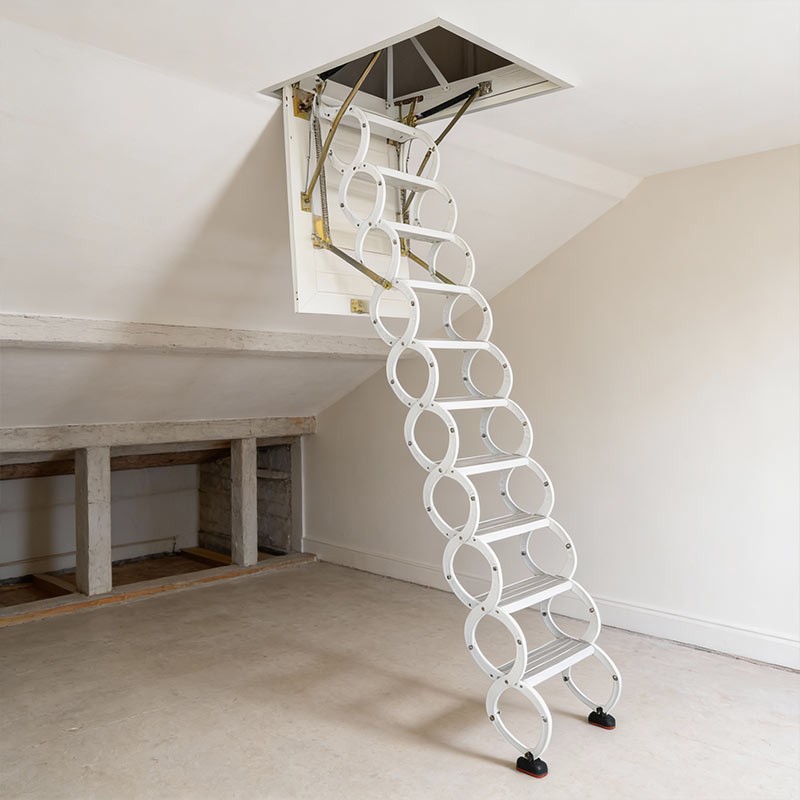
Manual Attic Ladder Material Guide: Steel vs Aviation Aluminum vs Aluminum Alloy – Which One Saves More Money?
Choosing the Wrong Attic Ladder Can Cost More Than You Think
Many buyers focus only on price when selecting an attic ladder. However, the cheapest option is not always the most economical in the long run.
A ladder that is too heavy, difficult to operate, or unable to withstand years of use may eventually require replacement, increasing the total ownership cost.
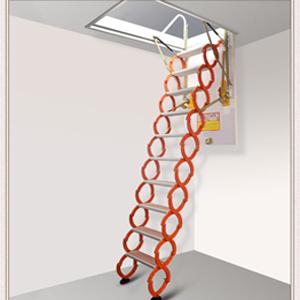
Understanding the differences between Steel, Aviation Aluminum, and Aluminum Alloy attic ladders helps homeowners, builders, distributors, and project contractors select the most suitable solution while maximizing value and controlling budgets.
What Are the Most Common Attic Ladder Materials?
The market mainly offers three material options:
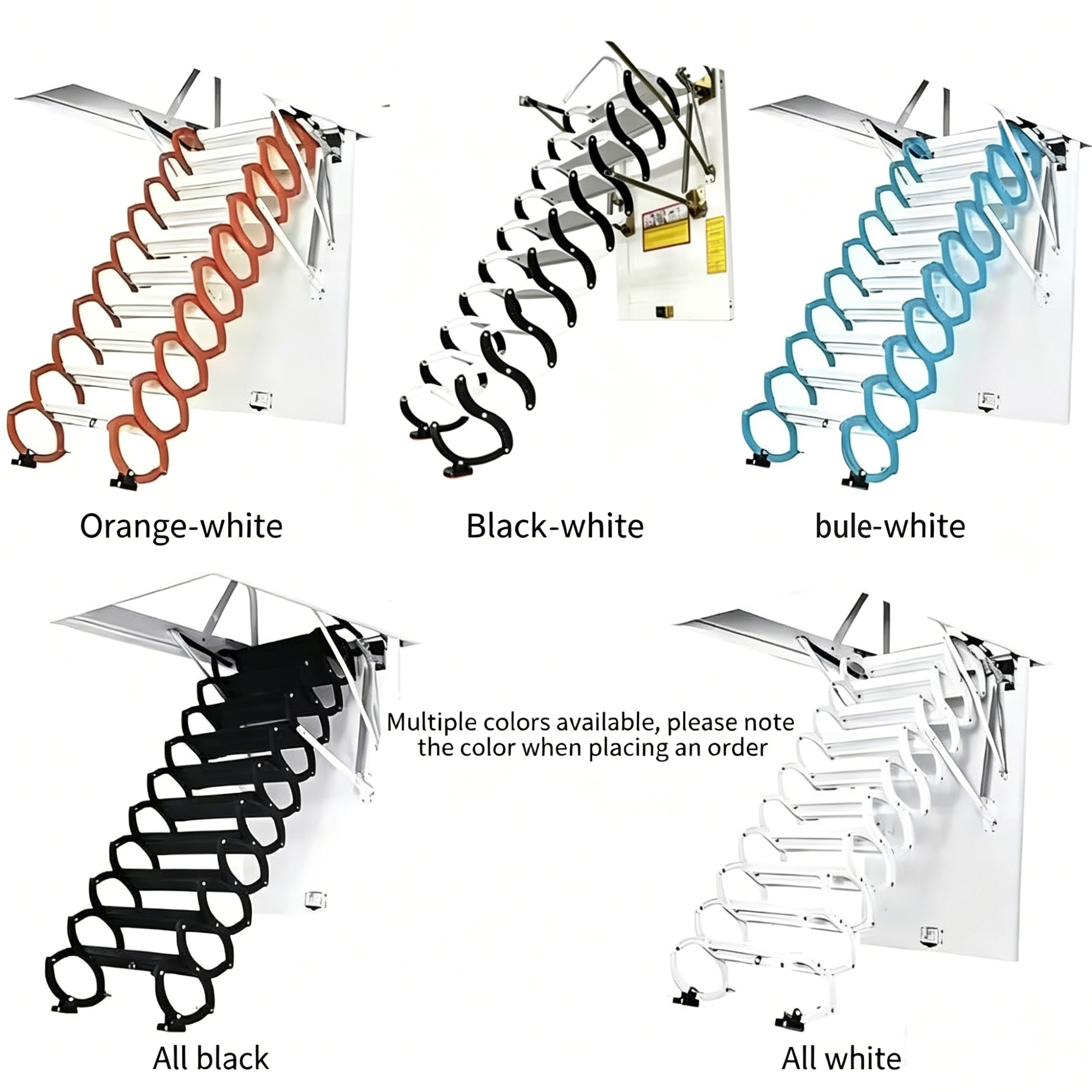
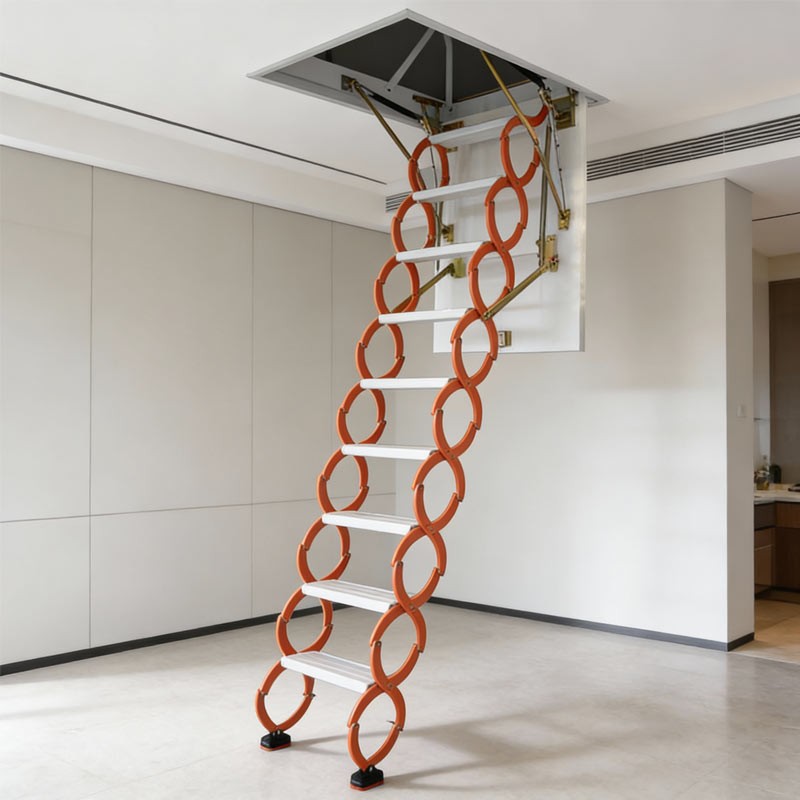
Steel Attic Ladder
Steel ladders are popular because of their affordability and solid structure.
Features:
- Cost-effective solution
- Strong frame construction
- Suitable for residential use
- Stable operation
- Durable powder-coated surface
Best for:
- Residential houses
- Rental properties
- Budget-sensitive projects
Maximum Load Capacity:
350 kg
Although steel ladders are strong, they are heavier than aluminum models, which may require slightly more effort during opening and closing.
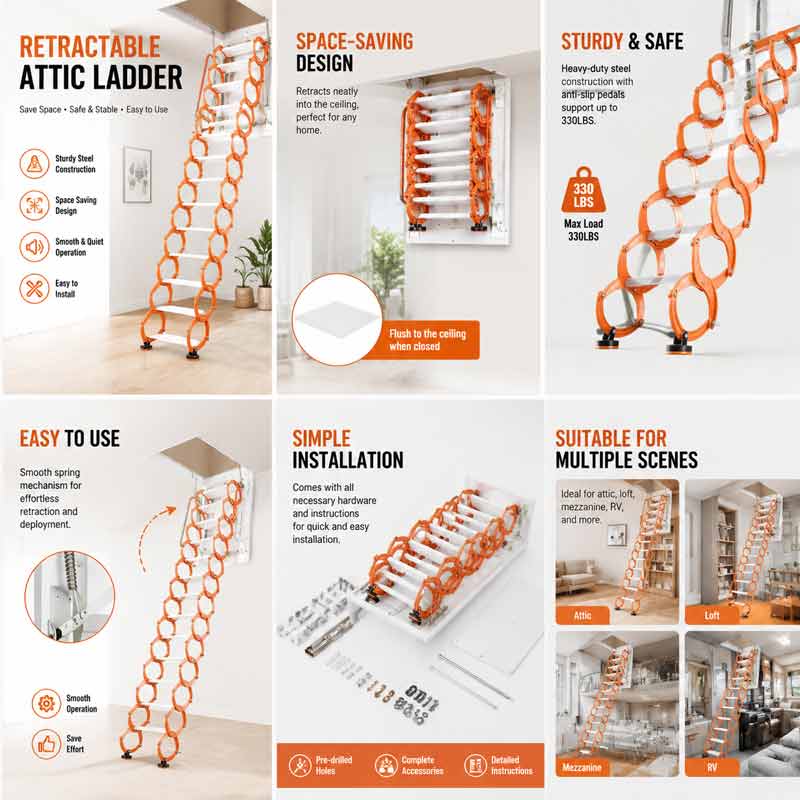
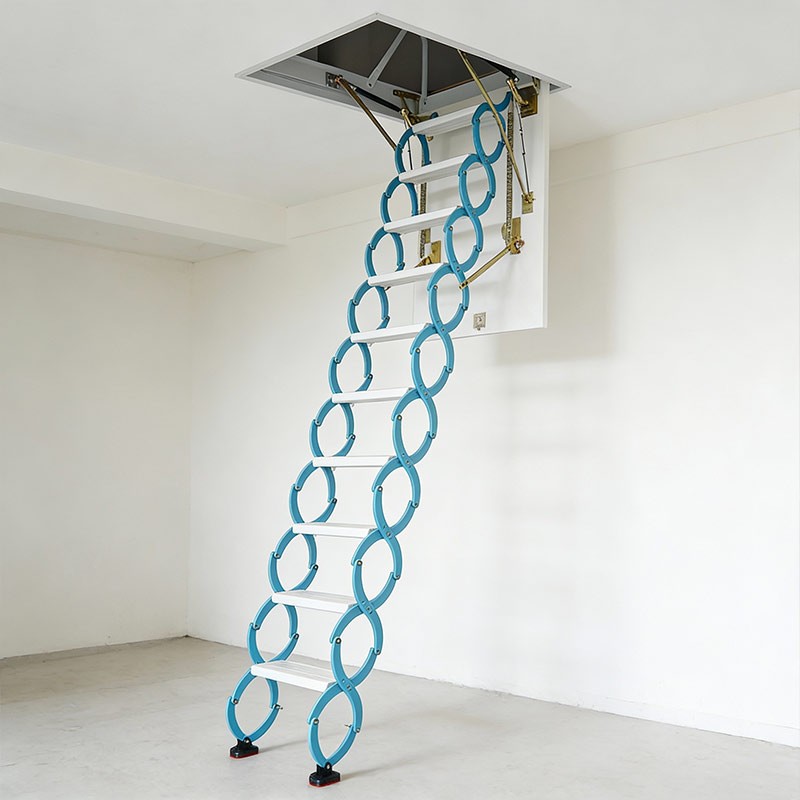
Aviation Aluminum Attic Ladder
Aviation-grade aluminum combines lightweight construction with excellent strength.
Features:
- Lightweight operation
- Corrosion resistant
- Easy folding and unfolding
- Long service life
- Modern appearance
Best for:
- High-end homes
- Coastal areas
- Frequent daily use
Compared with ordinary metal ladders, aviation aluminum provides a better balance between weight and structural performance.
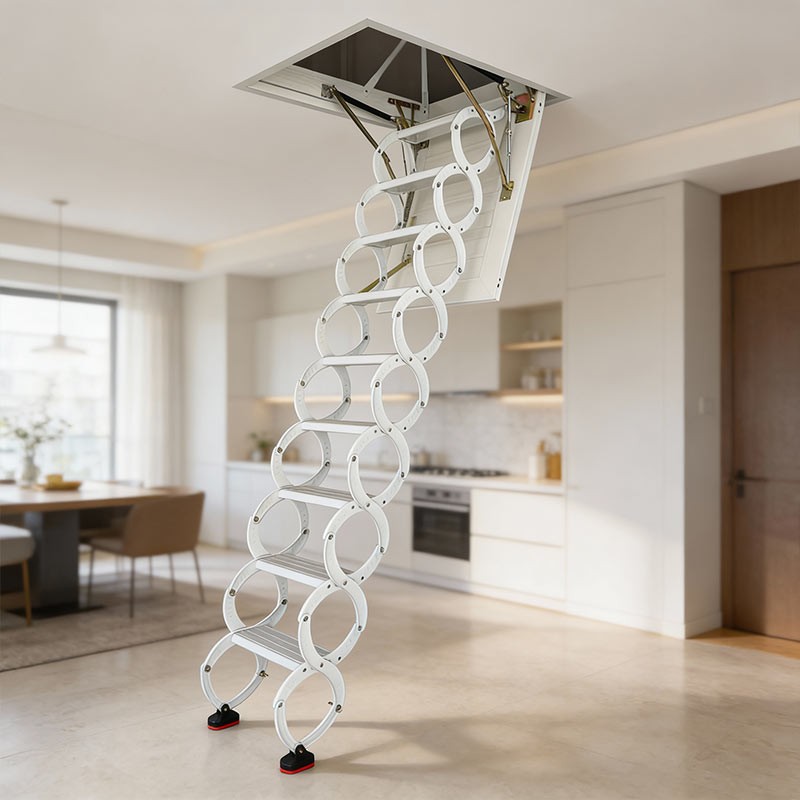
Aluminum Alloy Attic Ladder
For customers seeking maximum strength and convenience, aluminum alloy models are often the preferred choice.
Features:
- Extremely lightweight
- Excellent corrosion resistance
- Smooth operation
- Minimal maintenance
- Suitable for intensive use
Maximum Load Capacity:
550 kg
The high strength-to-weight ratio allows aluminum alloy ladders to achieve higher load capacity while remaining significantly lighter than steel alternatives.
Best for:
- Luxury residential projects
- Commercial buildings
- Frequent attic access
- Long-term investment projects
Why Stair Thickness Matters More Than Most Buyers Realize
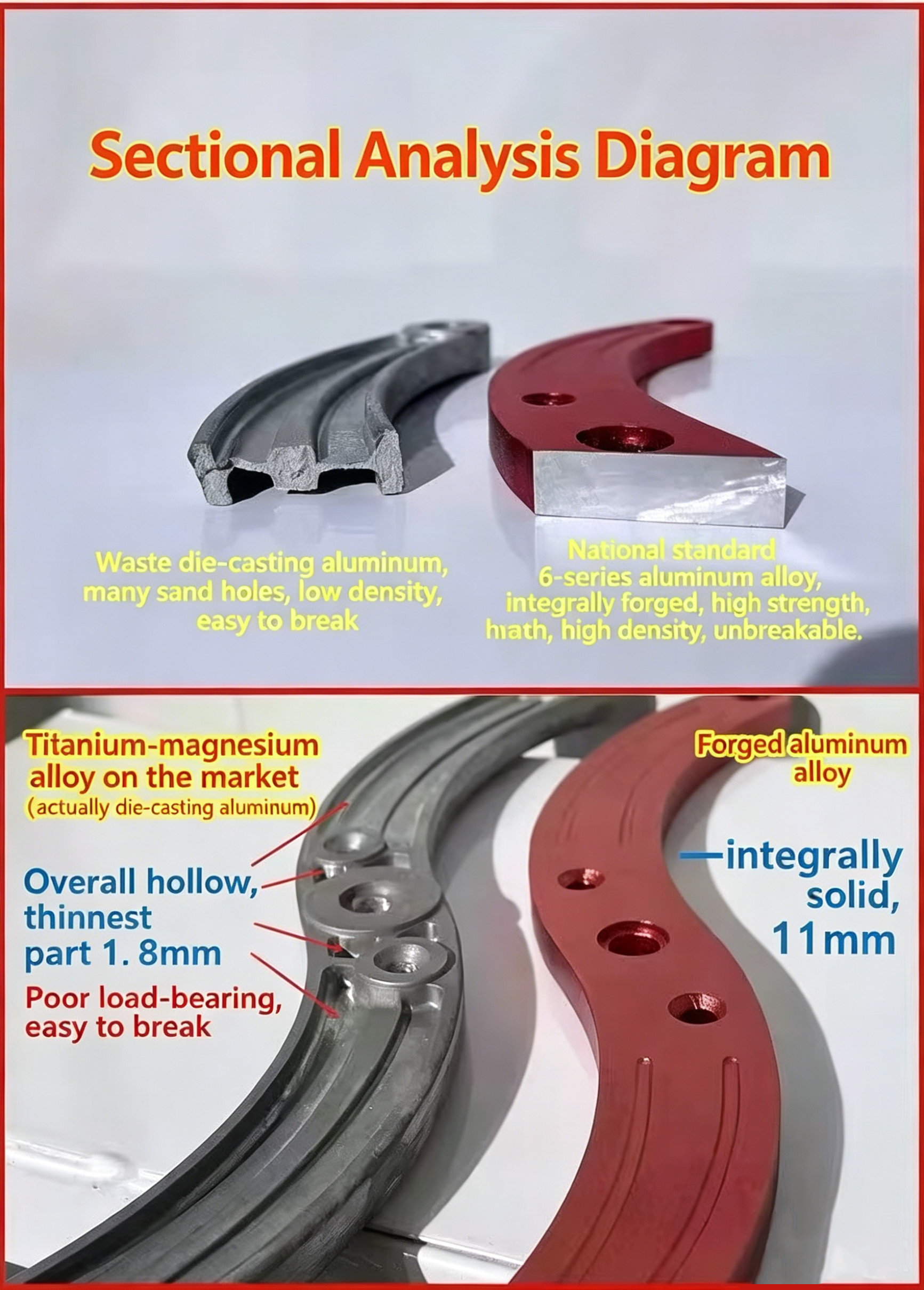
Many manufacturers focus on appearance while reducing material thickness to lower costs.
Typical market specifications:
- 20 mm tread thickness
- 22 mm tread thickness
Our upgraded design:
Steel Models:
- 28 mm thick treads
Aluminum Alloy Models:
- 33 mm thick treads
Benefits:
Better Stability
Thicker steps reduce flexing during use and provide a more secure feeling underfoot.
Improved Durability
Additional material increases resistance to deformation over years of operation.
Enhanced Safety
A wider and stronger stepping surface helps users maintain balance when carrying storage items into the attic.
The Hidden Safety Feature: 40 mm Wide S-Shaped Handrails
One overlooked component of an attic ladder is the handrail.
Many ladders on the market use:
- 28 mm handrails
- 30 mm handrails
Our design features:
40 mm wide S-shaped handrails
Advantages include:
- More comfortable grip
- Better support for elderly users
- Improved balance while climbing
- Greater confidence when carrying boxes or tools
The ergonomic curved shape naturally follows hand movement and improves climbing comfort.
Which Material Is Right for Your Budget?
Choose Steel If:
Lowest initial investment
Residential use
Occasional attic access
Cost control is your priority
Choose Aviation Aluminum If:
Lightweight operation is important
Humid environments are common
You want reduced maintenance
Better user experience is desired
Choose Aluminum Alloy If:
Maximum load capacity is required
Frequent daily use is expected
Premium residential projects
Long-term durability matters most
Best overall performance is preferred
Certified Quality for Global Markets
All ladders are manufactured under strict quality control standards and supported by internationally recognized certifications:
- CE Certified
- ISO Certified
These certifications help ensure compliance with international quality and safety requirements for export markets.
Conclusion: Focus on Total Value, Not Just Purchase Price
The most economical attic ladder is not necessarily the cheapest one.
A ladder with:
- Higher load capacity
- Thicker stair treads
- Wider ergonomic handrails
- Better material selection
- International certifications
can provide years of reliable service while reducing maintenance and replacement costs.
Whether you choose steel, aviation aluminum, or aluminum alloy, selecting the right material according to your usage frequency, installation environment, and budget will maximize your return on investment.
Looking for a Reliable Attic Ladder Manufacturer?
We offer customized attic ladders in steel, aviation aluminum, and aluminum alloy materials with CE and ISO certification, OEM/ODM support, fast production, and professional export service.
Contact us today for catalogs, technical drawings, samples, and factory-direct pricing.
This blog post explains how to choose the right material for an attic ladder ——
How-to-Choose-the-Best-Attic-Ladder-Material
Leave Your Message
We'll respond within 12 hours with the latest pricing.