
How Much Weight Can a Loft Ladder Hold Safely
How Much Load Capacity Do You Really Need for an Attic Ladder? Safety Mistakes Most Buyers Make
Why Load Capacity Is the Most Ignored But Most Important Factor
When purchasing a folding attic ladder, most buyers focus on price, size, or material.
However, in real-world usage, load capacity is the most critical safety factor that directly determines whether the ladder is suitable for long-term use.
An incorrect load rating can lead to:
- Structural deformation
- Reduced service life
- Safety risks during climbing
- Damage during heavy storage transport
This is especially important for contractors, distributors, and renovation projects where attic ladders are used frequently and under varying loads.
What Does Attic Ladder Load Capacity Really Mean?
Load capacity is not only about the weight of the user.
It includes:
- The person climbing the ladder
- Tools carried in hand
- Storage boxes transported to the attic
- Long-term dynamic pressure during use
This means a “light-duty” ladder may fail even if it supports a single person’s weight.
Common Load Capacity Range in the Market
Most attic ladders on the market fall into two categories:
Standard Duty Ladders
- Load capacity: around 200–300 kg
- Suitable for light residential use
- Limited durability under frequent operation
Heavy Duty Attic Ladders
- Load capacity: 350–550 kg
- Suitable for residential + commercial applications
- Designed for frequent and long-term use
Our upgraded system offers:
- Steel model: 350 kg
- Aluminum alloy model: up to 550 kg
This provides a significantly higher safety margin compared to standard market products.
Biggest Mistake 1: Choosing Based Only on Price
Many buyers choose the cheapest ladder without checking load capacity.
This often results in:
- Faster wear and tear
- Unsafe climbing experience
- Higher replacement cost later
In long-term projects, low-cost ladders usually become the most expensive option.
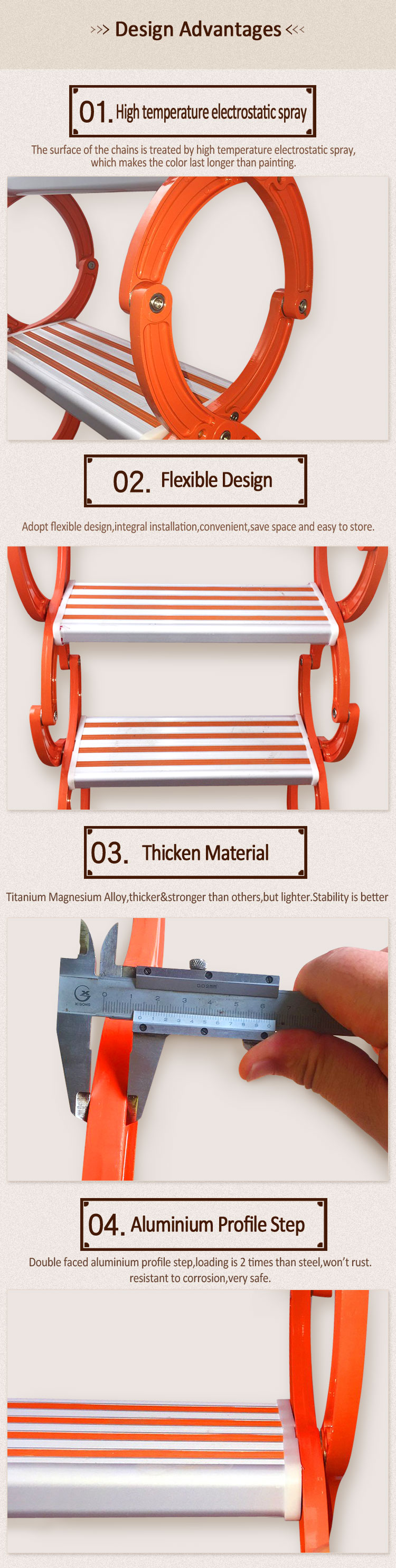
Biggest Mistake 2: Ignoring Step Thickness
Step thickness directly affects structural strength.
Typical market standards:
- 20 mm
- 22 mm
Our reinforced design:
- Steel ladder: 28 mm steps
- Aluminum alloy ladder: 33 mm steps
Thicker steps provide:
Better stability
Reduced bending risk
Longer service life
Safer heavy-load use
Biggest Mistake 3: Overlooking Handrail Safety
Handrails are often ignored, but they play a key role in real usage safety.
Common market size:
- 28–30 mm handrails
Our upgraded system:
- 40 mm S-shaped ergonomic handrail
Benefits include:
- Stronger grip support
- Improved balance when climbing
- Safer operation when carrying items
- Better comfort for elderly users
Steel vs Aluminum Alloy: Which Is Safer for Heavy Load?
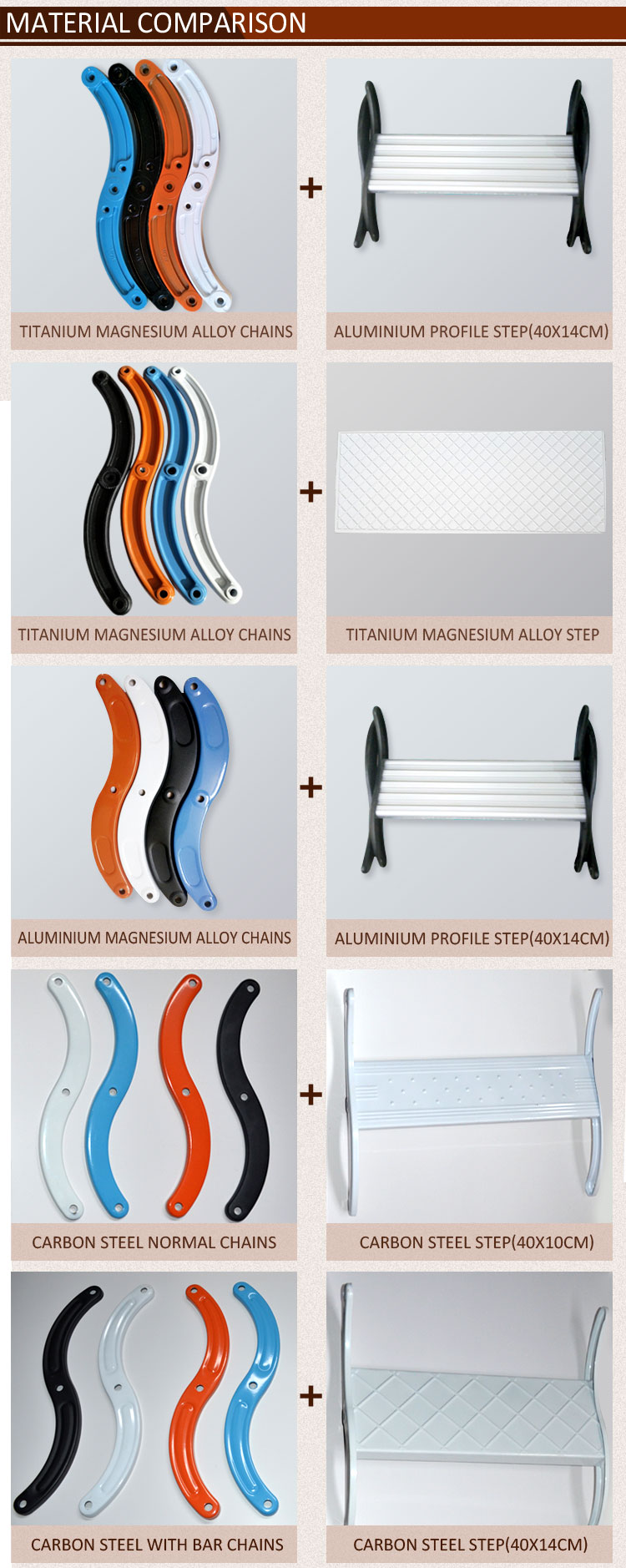
Steel Attic Ladder
- Load capacity: 350 kg
- Strong and stable structure
- Heavier self-weight
- Ideal for cost-sensitive residential use
Aluminum Alloy Attic Ladder
- Load capacity: 550 kg
- High strength-to-weight ratio
- Easier operation
- Better for frequent or commercial use
Important correction:
Steel is NOT automatically stronger than aluminum alloy in real engineered ladder systems.
Modern aluminum alloy structures can achieve higher load capacity due to optimized design.
Why Load Capacity Matters More in Real Projects
In real applications, attic ladders are used for:
- Seasonal storage
- Warehouse access
- Maintenance work
- Home renovation materials
- Commercial equipment handling
This creates variable and unpredictable load conditions, making safety margin extremely important.
Recommended Load Capacity Selection Guide
Choose 350 kg Steel Ladder If:
- Residential usage only
- Occasional attic access
- Budget is limited
- Light storage use
Choose 550 kg Aluminum Alloy Ladder If:
- Frequent use
- Heavy storage items
- Commercial or rental projects
- Long-term durability required
- Safety priority is high
Certification Matters for Load Safety
Reliable load performance must be supported by manufacturing standards.
Our products are certified:
- CE Certification
- ISO Certification
These certifications ensure consistent structural performance and export compliance.
OEM Advantage for Distributors
For B2B buyers, load capacity is also a sales advantage.
We support:
- Custom load rating design
- OEM branding
- Size customization
- Bulk production
- Engineering drawings support
Final Conclusion
When selecting a folding attic ladder, load capacity is not just a technical number—it is a direct safety indicator and long-term cost factor.
Choosing the right structure means:
- Safer daily operation
- Longer service life
- Lower maintenance cost
- Better customer satisfaction
Whether steel or aluminum alloy, selecting the correct load capacity based on real usage scenario is the key to maximizing project value.