
Wall Mounted Ladder Explained | No Ceiling Opening Ladder for Indoor & Outdoor Use
Can You Install a Ladder Without a Ceiling Opening? Wall Mounted Ladder Explained
A New Way to Access Upper Spaces Without Ceiling Modification
In traditional building design, accessing an attic or upper storage area usually requires cutting a ceiling opening and installing a folding attic ladder system.
However, many modern renovation projects, warehouses, and industrial buildings now require a more flexible solution that does not involve structural modification.
This is where the Wall Mounted Ladder becomes an alternative solution.
A wall mounted ladder allows direct vertical access without the need for a ceiling opening, making it suitable for both indoor and outdoor environments.
What Is a Wall Mounted Ladder?
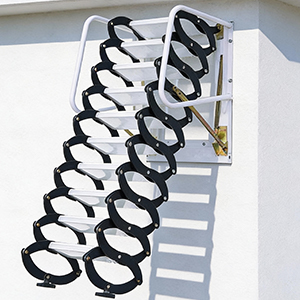
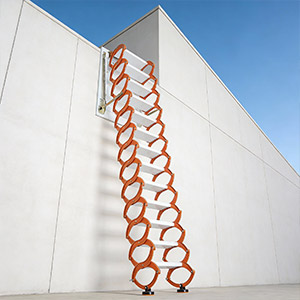
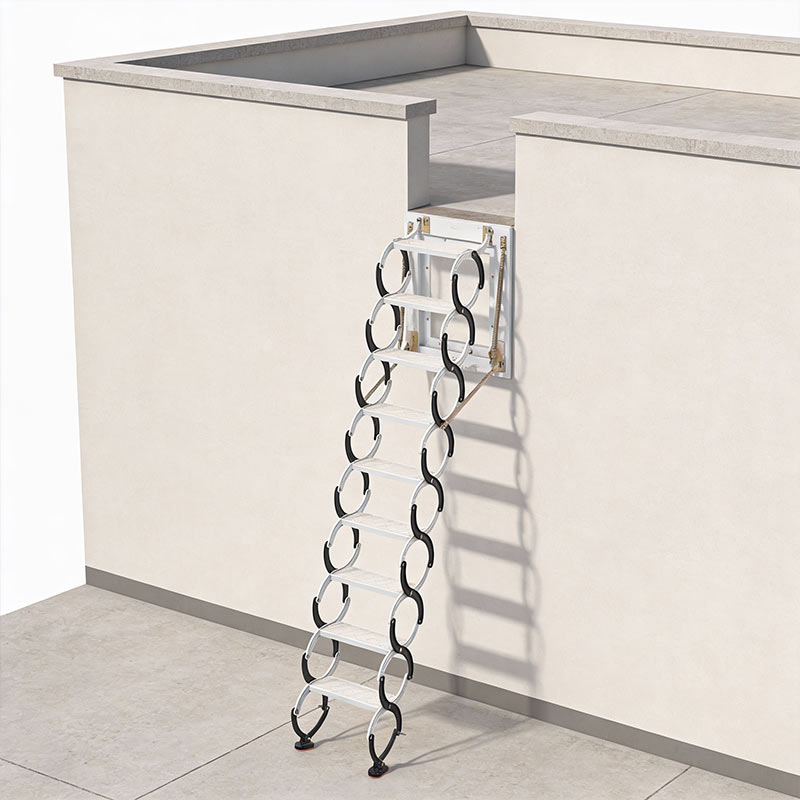
A wall mounted ladder is a fixed access system installed directly on a wall structure instead of a ceiling opening.
Unlike traditional attic ladders, it does not fold into the ceiling. Instead, it provides vertical or angled access depending on installation design.
It is commonly used in:
- Industrial facilities
- Warehouses
- Residential buildings
- Maintenance platforms
- Outdoor equipment access areas
Why Do You Need a No Ceiling Opening Ladder?
Many buildings cannot support ceiling modifications due to:
- Structural limitations
- Renovation restrictions
- Cost constraints
- Time limitations
- Existing building design
In these cases, installing a wall mounted ladder is a practical alternative.
Key benefits include:
- No need for ceiling cutting
- Faster installation process
- Lower construction cost
- Flexible installation location
- Suitable for renovation projects
Indoor vs Outdoor Use of Wall Mounted Ladders
One of the biggest advantages of this system is its versatility.
Indoor Applications
- Apartments
- Villas
- Storage rooms
- Mezzanine access
- Maintenance areas
Indoor use focuses more on space-saving and structural convenience.
Outdoor Applications
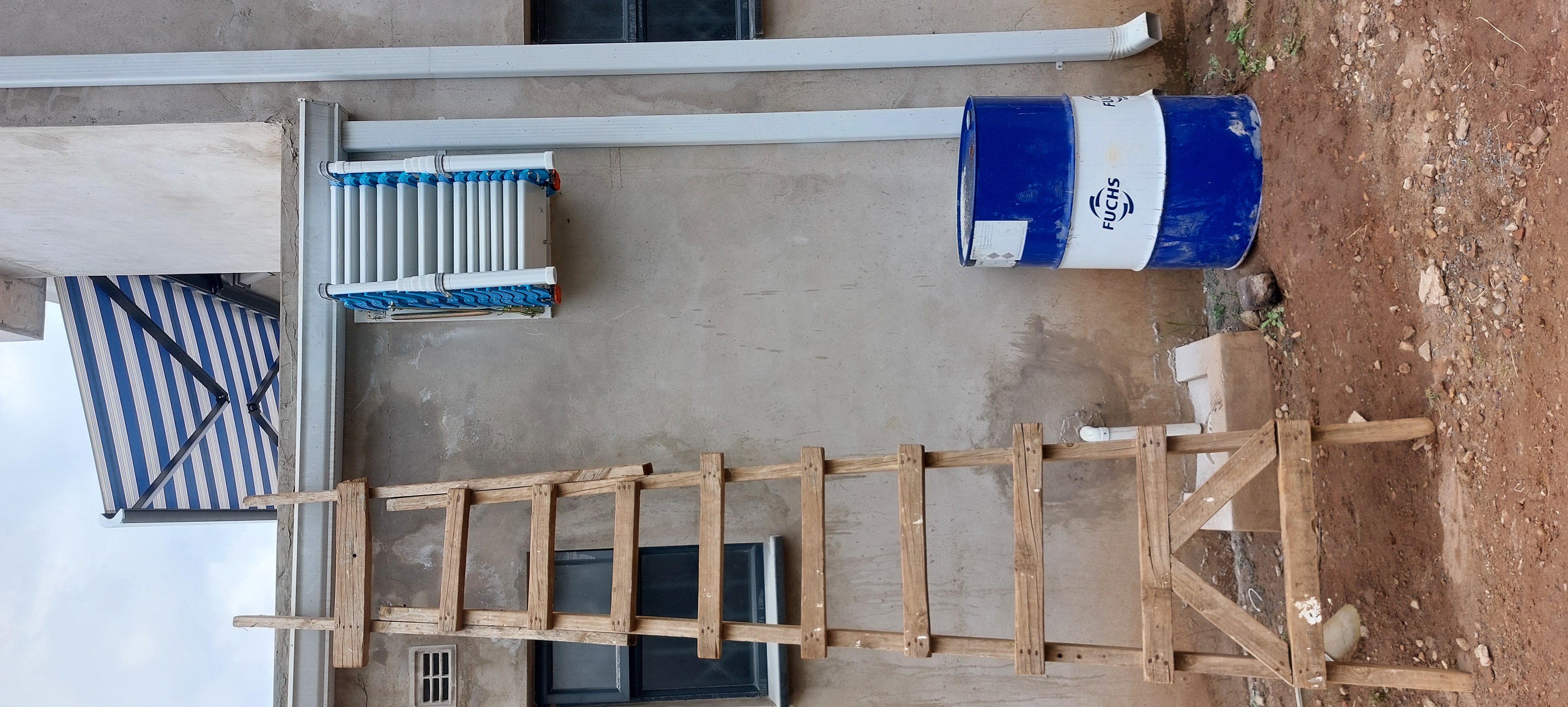
- Building exterior walls
- Warehouses
- Industrial plants
- Roof access points
- Equipment maintenance zones
Outdoor use requires stronger corrosion resistance and higher structural durability.
Load Capacity Matters More Than You Think
One of the most important factors in any ladder system is load capacity.
Typical usage includes not only body weight but also:
- Tools
- Storage boxes
- Maintenance equipment
- Industrial materials
Common market options:
- Standard ladders: 200–300 kg
- Heavy-duty ladders: 350–550 kg
Higher load capacity means better safety margin and longer service life.
Steel vs Aluminum Alloy in Wall Mounted Ladders
Different materials are used depending on project requirements.
Steel Ladder
- Load capacity: 350 kg
- Strong and stable structure
- More economical
- Suitable for indoor residential use
Aluminum Alloy Ladder
- Load capacity: up to 550 kg
- Lightweight and corrosion resistant
- Better for outdoor and commercial environments
- Higher durability for frequent use
Modern engineering allows aluminum alloy systems to achieve higher load capacity while remaining lightweight.
Why Step Thickness Is Important for Safety
Many buyers ignore step thickness, but it directly affects safety.
Standard market design:
- 20 mm steps
- 22 mm steps
Upgraded design:
- Steel: 28 mm steps
- Aluminum alloy: 33 mm steps
Benefits include:
- Better stability during climbing
- Reduced deformation over time
- Safer heavy-load use
- Improved long-term durability
Handrail Design and User Safety
A ladder is not only about structure, but also user comfort and grip safety.
Standard market handrails:
- 28–30 mm width
Upgraded ergonomic design:
- 40 mm S-shaped handrail
Advantages:
- Stronger grip support
- Better climbing balance
- Safer use when carrying objects
- Improved comfort for long-term use
Is Wall Mounted Ladder a Replacement for Attic Ladder?
It depends on the application.
- If you need hidden ceiling storage access → attic ladder is better
- If you need flexible wall access without structural changes → wall mounted ladder is better
This is why wall mounted ladders are often used in renovation and industrial projects.
Common Mistakes Buyers Make
Many buyers choose the wrong ladder type because of:
- Focusing only on price
- Ignoring installation environment
- Not considering load requirements
- Overlooking outdoor corrosion resistance
- Choosing wrong material for application
Selecting the correct system depends on usage scenario, not just cost.
When Should You Choose a Wall Mounted Ladder?
You should consider this solution if:
- Ceiling modification is not possible
- You need fast installation
- You require indoor and outdoor access
- You are working on renovation projects
- You need industrial-grade access system
Final Conclusion
A wall mounted ladder provides a practical solution for buildings where traditional attic ladders cannot be installed.
With no ceiling opening requirement, it reduces construction complexity while offering flexible access for both indoor and outdoor environments.
Choosing the right material, step thickness, and load capacity ensures long-term safety and durability.